Thursday, 9 February 2017

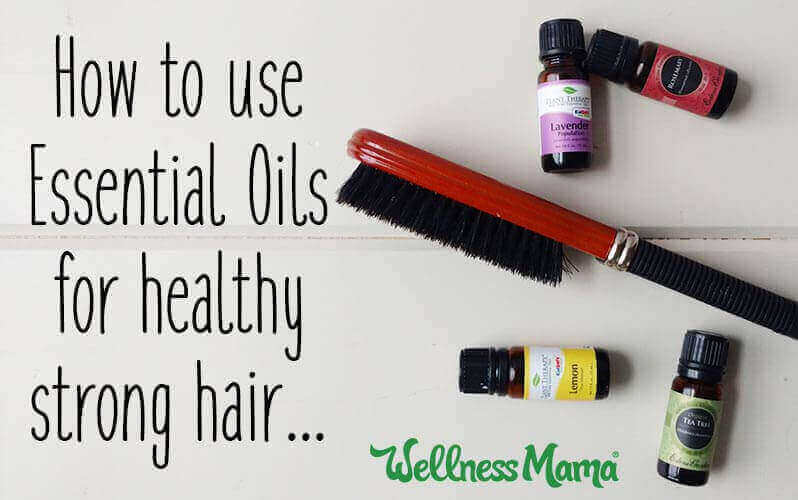
9 Nourishing Essential Oils for Hair Health & Strength

How to use essential oils for stronger healthier hair naturally

Maybe you ditched conventional haircare products years ago, or maybe you’re exploring more natural options. Whatever the case may be, essential oils for hair can be an integral part of everyone’s natural routine. Over the years I’ve found some favorite essential oils proven to strengthen and improve my hair, and they smell great too!

Best Essential Oils for Hair

I’ve always been careful to use essential oils safely and not ingest them unless suggested by a healthcare provider, but I love using them topically. Using them in my hair is one more way to get the benefits of essential oils safely.

A caution along these lines: always dilute essential oils in the appropriate ratio in a carrier oil (or a beauty product containing oils) as essential oils do not dilute in water. The resources section in this Healthy Moms podcast gives several helpful charts to guide you.

Remember, it isn’t good to put straight essential oil directly to your hair or scalp for any reason.

That being said, here are a few of my favorite essential oils for hair!

1. Ylang Ylang

This floral essential oil (I like this one) has aphrodisiac properties and a strong, distinct odor. It may be too overwhelming to use on its own, but it combines well with other essential oils for hair, like lavender and even lemon. People have been using ylang ylang to help grow their hair for a long time, as it was a popular hair growth remedy in Victorian England. This essential oil works by stimulating hair growth to treat thinning hair and also stimulates production of our scalp’s natural sebum to nourish dry, damaged hair.

Ylang ylang also offers aromatherapy benefits, as it works to relieve stress in the body. Since stress can sometimes cause hair loss, using ylang ylang is a great way to kill two birds with one stone. And for little ones who are frequently around other children, ylang ylang can also help to repel lice.

2. Tea Tree

Tea tree is one of the most popular essential oils for soothing damaged skin, but it’s also great for scalp health. Since this essential oil is antifungal, it’s been successfully used to treat dandruff. In this study, there was a 41% improvement in the severity of the dandruff as well as in the symptoms of itchiness and greasiness. Tea trea was also shown in this 2013 study to slow hair loss and increase hair growth and appearance, without the itching and inflammation that the control group had. And like ylang ylang, tea tree oil also treats head lice.

3. Lavender

Lavender is another favorite essential oil for skin that doubles for hair care. This study found that lavender increased the number of hair follicles for a thicker head of hair. The hair follicles in the lavender group were also deeper, meaning stronger roots for less hair falling out. Lavender essential oil also showed significant help in hair growth in this study that used a combination of several different essential oils, all with no significant side effects.

4. Cedarwood

Many guys like cedarwood essential oil because of its woody, more masculine scent. So if the man in your life objects to using more feminine-smelling oils like lavender and ylang ylang, then cedarwood may be a good option. It stimulates the hair follicles and increases circulation to the scalp to combat thinning hair. Cedarwood has also been helpful at improving dandruff symptoms.

5. Rosemary

Rosemary works well for dandruff due to its ability to minimize scalp itchiness and flakes. It helps to treat both dry, dull hair as well as overly oily hair and can help prevent split ends. In this study, rosemary essential oil was found to be just as effective against balding as the conventional treatment when it was used for at least six months. It helps to prevent premature baldness and stimulates the hair follicles.

6. Lemon

As a citrus oil, lemon helps simulate circulation in the scalp for increased hair growth. It’s also helpful to reduce overly greasy hair. Since there is some concern for phototoxicity here, don’t slather your head in lemon essential oil and then go sunbathing. Use lemon at night (or at least twelve hours before sun exposure), or don’t use more than a 2% concentration. However, if you’re using a few drops in your shampoo then washing it out of your hair, there’s no concern for phototoxicity. I like this organic one.

7. Juniper

Juniper berry has a fruity scent to it and blends well with both lemon and cedarwood essential oils. It’s helpful for overly oily hair and helps strengthen brittle strands. Juniper berry’s antiseptic properties help fight scalp conditions, and its astringent properties tone hair follicles to prevent hair loss.

8. Peppermint

You’re probably familiar with the fresh, invigorating scent of mint. This study showed a blend with 3% peppermint essential oil in a base of jojoba oil significantly increased hair growth thickness and length and deepened hair follicles for stronger hair. (Peppermint oil can safely promote hair growth, but this essential oil isn’t safe to use on young children.)

9. Lemongrass

Lemongrass has potent antiviral and antifungal properties that make it useful for a variety of scalp issues. In this study, several hair tonics were compared, and the one with a 10% dilution of lemongrass had the best results against inhibiting dandruff caused by yeast.

How to Apply Essential Oils for Hair

  • Add a few drops to your shampoo or conditioner and lather as usual.
  • In all of the studies, results were seen after consistent use for at least six months. Most of the treatments were used daily until results were achieved.
  • Add some essential oils diluted in aloe vera to a spray bottle and liberally mist your hair. You don’t need to rinse your hair after this. (However, be sure to avoid using citrus oils and then going out in the sun.)
  • Dilute essential oils in a carrier oil and use as a leave-in deep conditioning treatment. After an hour, or even overnight, the oil can be washed out of the hair. Coconut oil and sweet almond both work well for a leave-in conditioning treatment. (If you’ve heard castor oil helps hair growth, bear in mind that this thick oil is hard to wash out unless diluted with other carrier oils.)

How to Do Scalp Massage with Essential Oils

You can do a scalp massage with essential oils for hair diluted in a carrier oil to help reduce the symptoms of dandruff, psoriasis, or stimulate the scalp for hair growth.

  1. Part the hair and apply the oil treatment to the scalp in sections.
  2. Take your fingers and press them firmly onto the scalp, moving the skin across the skull. Do not however allow your fingers to move across the scalp.
  3. Allow the oil treatment to stay on for at least an hour before rinsing/washing out.

Do you use essential oils for hair in your natural hair care routine? Is it something you can see yourself trying?
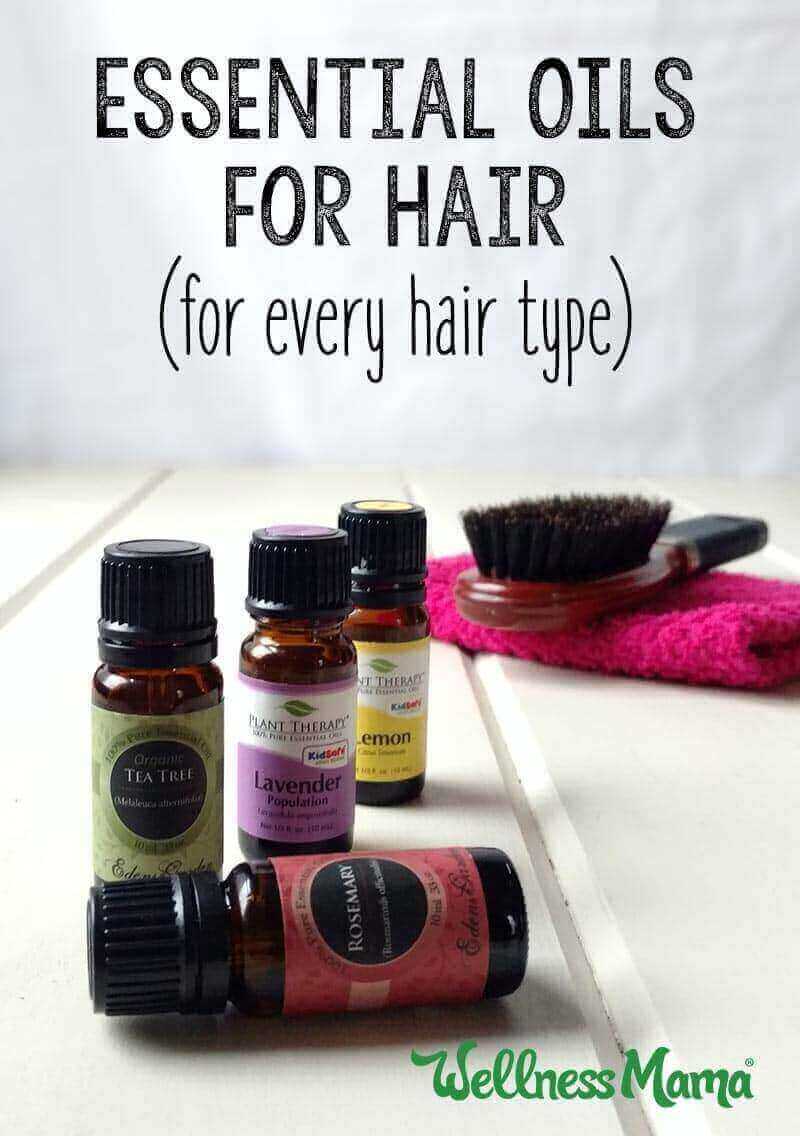
Essential oils for hair

Continue Reading...9 Nourishing Essential Oils for Hair Health & Strength


source https://wellnessmama.com/147921/essential-oils-for-hair/?utm_source=rss&utm_medium=rss&utm_campaign=essential-oils-for-hair

Tuesday, 7 February 2017

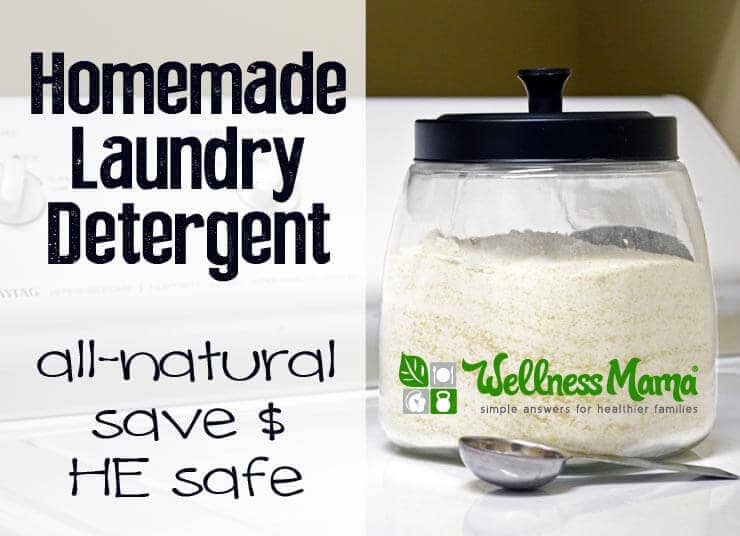
Homemade HE Laundry Detergent Recipe (Laundry Soap)

Homemade Laundry Detergent - HE safe - natural

Homemade Laundry Detergent - HE safe - natural

Laundry Detergent is an easy switch from store bought to homemade, and DIY alternatives are often just as effective and much less expensive. I’ve shared my Homemade Laundry Soap before but have gotten so many questions over the past several years that I decided it deserved a follow-up post.

I first considered the idea of homemade laundry detergent when a friend’s mom made hers while I was visiting their house 15 years ago (wow, I just felt old!) and I’ve been experimenting with recipes ever since I had to do my own laundry (except for college- I definitely used the most scented chemical kind back then… live and learn!). This version is an updated take on my original creation.

Laundry Detergent vs. Laundry Soap

It is important to note that laundry soap and laundry detergent are not the same thing. A soap, is by definition a mixture of fats and oils with an alkali or base, like this recipe for crock pot soap that uses a mixture of olive and coconut oils with a lye and water base.

Detergent, on the other hand, is typically synthetic (at least partially) and is typically designed for a specific purpose, such as to dissolve even in hard water or cold water. Most recipes for “natural” laundry detergents are almost always talking about soaps, and recipes for actual detergents are seldom natural.

Since store bought versions are called “Laundry Detergents,” I’ve opted to call this tutorial a DIY Laundry Detergent recipe, though it uses a soap base. I’ve used these recipes (or variations) for years and find them as effective as regular store bought laundry detergent when used correctly.

One Natural Detergent (That Works)

Detergents are designed to work in hot or cold water and to clean inside the fibers of clothes effectively. Depending on water quality, some people find that natural laundry soaps don’t work well on their clothes. Others may notice build up or a dingy color over time.

There is one natural cleaner (not technically a soap) that I’ve found is highly effective and that works as well as high-end commercial detergents. Instead of laundry soap, using 2 Tablespoons of Dr. Bronner’s Sal Suds per load gets clothes clean.

High Efficiency Safe?

That is the question I’ve gotten the most in the 100+ comments on my original Laundry Detergent recipe. I don’t personally have a high efficiency washing machine but have heard from dozens and dozens of readers who do and they’ve used this in an HE washer with no problems.

The main concern with an HE washer is creating too much suds, so a low-suds soap or detergent is suggested. This recipe is low-suds by definition and should be safe for HE, but check with the instructions that came with your machine to make sure before using.

Safe Laundry Detergent Ingredients

Many readers questioned the safety of Borax in my original recipe. After much research, I (still) feel completely comfortable using borax in laundry soap and other uses that do not come in direct contact with food. Here’s my take on Borax but do your own research and make sure you are comfortable with using it (or any ingredient) before using!

Borax Free Option

For a simple borax-free option (that doesn’t require grating), just add these to the beginning of each wash cycle:

  1.  2 Tablespoons Sal Suds
  2. 1/4 cup baking soda OR 2 Tablespoons washing soda (optional)

For an extra boost, add 1/4-1/2 cup white vinegar to the rinse cycle. This step is entirely optional but seems to help keep clothes from pilling and looking worn.

Why Natural Laundry Detergent?

I switched to natural homemade laundry detergent or soap to avoid the harsh chemicals, fragrances, colors and additives in many regular detergents, but it turns out that homemade is also much less expensive and incredibly easy to make.

Even if you’re just starting out with natural living and wouldn’t dream of making your own deodorant, laundry soap is a simple switch you can make without much effort and without expensive speciality ingredients.

Laundry Detergent Ingredients…

This homemade laundry soap recipe uses three basic ingredients:

  • Borax: A naturally occurring mineral- I get mine here.
  • Washing Soda: Also called Soda Ash, this helps remove oils and residue. Available at most local grocers or here.
  • Grated Bar Soap: Like Dr. Bronners or homemade. I now use this coconut oil laundry soap recipe for our homemade detergent. Many recipes call for Fels Naptha which works well but has some questionable ingredients so we avoid it. I personally think the coconut oil laundry soap works better anyway.

Optional Add-Ins: I’ve also experimented with adding Oxi-Clean or Oxygen Boosters to this recipe. I’ve found that they don’t do much good when mixed into the recipe, but can be great when added to especially dirty loads of laundry along with the homemade soap.

Another optional addition is essential oils for scent. I prefer lemon or lime essential oils added to the powdered recipe, though most of the scent is gone after drying.

Clean Laundry: Two Ways

This recipe can be made two ways: as a powder or a liquid. The powder is much faster to make and requires much less room to store, but the liquid is more effective for stain treating. The liquid also seems more effective for those with hard water.

I currently use the powdered version and use other natural products for treating stains (see below).  Both recipes use the same natural ingredients, so just pick the one that is most convenient for you. This recipe is my powdered version, and the liquid version is in this post.

Laundry Soap Ingredients

How to Make Laundry Soap

  1. Grate the soap using a hand grater or food processor. Grate into fine particles so it dissolves easily.
  2. Carefully mix with the washing soda and borax (use gloves or a spoon as these can by drying if used directly on skin)
  3. Add essential oils and stir.
  4. Store in an air-tight glass jar.
  5. Use 1-2 tablespoons per load. Add 1 tablespoon of Oxygen booster if needed… I use this on white loads.

Natural Stain Treatment

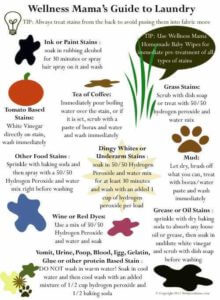
small Wellness Mama Stain Treatment Laundry Guide smallHomemade laundry detergent works well, but it won’t work as well as chemically formulated stain-release and cold water formulas from the store. I keep a variety of natural stain treaters in my laundry room and use them depending on the stain.

This post has the full list of natural stain treaters and a printable chart to keep in your laundry area.

I also keep a small bottle of diluted Sal Suds in my purse for immediate stain treating on the go and it has worked really well. Even on wine. And mustard. And red clay from the baseball field. And… well, you get the idea.

Bottom Line: Which to Use

Confused by all the options above? Here’s a simple way to figure out which method will work best for you:

Simplest Natural Option

Want the fastest & easiest method with no extra work required? Do this:

  • Use 2 Tablespoons Sal Suds (here’s where I get it)  per load just like you would a regular laundry detergent
  • Add 2 Tablespoons washing soda or 1/4 cup baking soda if you want to for an extra boost (you can actually do this with any laundry soap or detergent)
  • If you’re feeling like an over-achiever, add 1/2 cup white vinegar to the rinse cycle.
  • Viola! Clean laundry!

Inexpensive Natural Option

Want to save money and avoid the harmful ingredients lurking in many traditional laundry detergents? Use the Laundry Soap recipe above. Just note that it may not work for all water types and you may need to experiment with soap/washing soda combinations and ratios to find out what works best.

Best for Really Hard or Soft Water

If you have really hard or really soft water, the Sal Suds method above may be the best bet.

Do you make your own laundry detergent yet? Will you consider starting now? Share your experience and recipe if you already do! 

Continue Reading...Homemade HE Laundry Detergent Recipe (Laundry Soap)


source https://wellnessmama.com/27059/high-efficiency-laundry-detergent/?utm_source=rss&utm_medium=rss&utm_campaign=high-efficiency-laundry-detergent

Monday, 6 February 2017

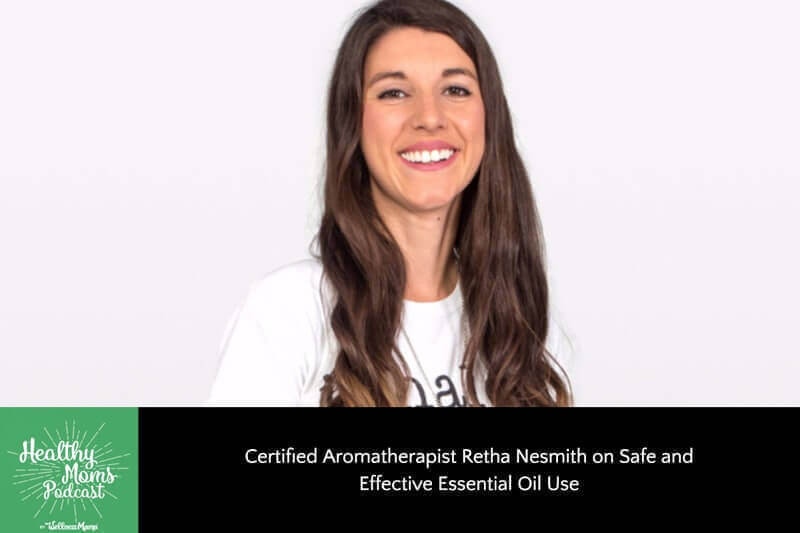
65: Safe Aromatherapy and Essential Oil Use with Retha Nesmith

If you’ve followed my homemade cleaning and beauty recipes over the years, you know the important role aromatherapy and essential oils play around my home. (I might even be a little obsessed!)

At the same time, you know that I’m careful to use essential oils safely and that I’m not afraid to speak out against the dangerous uses I often see.  That’s why I’m excited that Retha Nesmith, certified aromatherapist, made time to sit down with me and discuss this favorite topic.

Whether you’ve just dabbled in essential oils or have the most impressive collection known to man, this podcast has something for you!

A Fresh Approach to Aromatherapy Education

There is so much misinformation about safe essential oil use and I know several people who have actually been harmed by inappropriate use. I’ve found a few great sources of safe essential oils and am happy to see the rising awareness about safe essential oil use.  Plant Therapy is one of the essential oil companies I’ve come to know and love especially for their strong commitment to educating the public on how to use essential oils safely.

If you check out the Plant Therapy blog you’ll see a refreshing difference in their approach. In an industry often full of hype and misinformation, the Plant Therapy experts lay out the facts in a balanced way.

The Power of EOs and Aromatherapy

Retha shared with me how her mom (also a trained aromatherapist) used essential oils in their home growing up. Now Retha carries on the tradition of using these natural remedies with her own three children. But just because she’s been around essential oils for a long time doesn’t mean she uses them without caution.

Retha echoes a lot of the concerns I have had about the real dangers of using essential oils improperly. Their amazing power to heal can become power to harm unless we educate ourselves.

She does an amazing job making the information simple while answering some questions I still hadn’t quite resolved even with all my research on essential oils and aromatherapy over the years.

In This Episode, You’ll Learn

  • All about the benefits of aromatherapy (it really does more than just smell nice!)
  • What makes an oil “essential” and how EOs differ from other household oils
  • Common mistakes people make when using essential oils and how to avoid them
  • Why the term “natural” or “pure” doesn’t always mean “safe”
  • What it means when EO companies make quality claims … and how to back them up as a consumer
  • How to quickly and easily find the proper dilution and diffusion ratios for oils
  • A reasonable approach to the controversial question of whether to take EOs internally
  • How to cut through the hype and choose the right essential oils for your family’s specific needs

Resources We Mention

Essential Oil Charts and Further Reading

KidSafe Chart and Full KidSafe Essential Oils List
Pregnancy Safe Chart
Dilution Chart and How to Read the Dilution Chart
Retha Nesmith, “Can Essential Oils Be Ingested” (2014)
Robert Tisserand and Robert Young, Essential Oil Safety: A Guide for Healthcare Professionals, 2013

Special Thanks to Today’s Podcast Sponsors

This podcast episode is brought to you by Perfect Supplements. If you have trouble getting your family to eat nutrient-dense foods like liver or kale, Perfect Supplements is a solution that makes it easy. They take superfoods and concentrate them in capsule form so you can get all of the benefits without cooking something no one will eat.

Perfect Supplements is USA made, incredibly reasonably priced, and super selective in purity and sourcing. Our family uses their desiccated liver capsules (from 100% grass fed cattle). This is the same product that has been recommended by Tim Ferriss and Dave Asprey, and now that I’ve tried it I can see why. We also use Perfect Supplements collagen, greens powder, and fermented kale.

You can get 10% off of any order by going to perfectsupplements.com/wellnessmama and using the coupon code WELLNESSMAMA10. The best part is they always offer bulk discounts too!

This episode is also sponsored by The Wellness Mama Cookbook. My kids helped me test these recipes so they are definitely family-approved. They’re also mom-approved and here’s why.

I know what it is to be a busy mom without a lot of extra time. I made sure the majority of the Wellness Mama Cookbook recipes can be made in under 30 minutes and many of them only one pan (who wants to wash dishes?). The cookbook has over 200 grain-free recipes without refined sugar or flour. I found ways to replace those ingredients by sneaking in nutrient-dense vegetables kids love!

You can check out the cookbook at any major bookstore, on Amazon. I’m delighted to share my family’s favorite recipes with all of you!

Continue Reading...65: Safe Aromatherapy and Essential Oil Use with Retha Nesmith


source https://wellnessmama.com/podcast/safe-aromatherapy/?utm_source=rss&utm_medium=rss&utm_campaign=safe-aromatherapy

Sunday, 5 February 2017

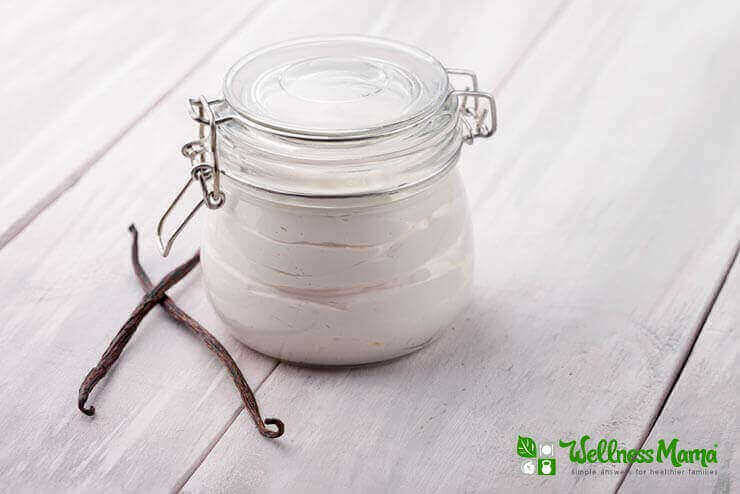
Decadent Vanilla Mint Chocolate Massage Butter Recipe

Mint Chocolate Massage Butter Recipe

Mint Chocolate Massage Butter Recipe

We don’t celebrate Valentine’s Day. I should re-word that to clarify that we have no vendetta against the occasion, we just try to avoid any “Hallmark Holidays” as my husband calls them. (We avoid Mother’s, Father’s and Grandparents’ Day as well as Halloween for similar reasons, but we make a point to celebrate the purpose of these many times throughout the year!)

I should also note that while this holiday is supposedly the celebration of the feast day of St. Valentine, very little is known about the actual Saints Valentine (there were several) and so St. Valentine was removed from the Roman Calendar. February 14th is actually the celebration of Saints Cyril and Methodius on my calendar.

History aside, it seems my husband may have good reason to financially boycott valentines day. It is estimated that the average consumer will spend over $120 on Valentine’s gifts, meals, and entertainment.

141 Millions cards will be exchanged and over 15 billion dollars will be spent total. Apparently it all must do something to add to the romance though, since more at home pregnancy tests are sold in March than any other month.

Another Way To Celebrate

Am I against romance or celebrating love? Heck no, I just prefer not to take the traditional route (anyone surprised?). The normal Valentines gifts are cards (I’d rather have a handwritten note), chocolate (unless it is 80% dark and organic, no thanks!) and stuffed animals (really?). It annoys me that this day is used as an excuse for kids to eat more candy and adults to indulge in unhealthy foods.

So should we all go through Valentine’s Day  as if it were any other day with no special notice given to our most precious relationships? I vote no.

My solution: Romantic at home dinner with my husband, maybe kids staying with grandparents, and homemade massage butter. We avoid contributing to the sales for the day, and perhaps when I mention that fact, I can even talk my husband into a massage (now that’s a good gift!).

How We Celebrate

Our at-home menu will include Mongonlian Beef from the Wellness Mama Cookbook (also a great Valentine’s Day Gift!) over cauliflower rice and spinach salad with homemade vinaigrette with dark chocolate fondue and fruit for dessert.

Thanks to this great at-home couples massage course (no worries, it is all PG), my hubby is an expert masseur. At leasst when he wants to be. If I can talk him in to it, I’m hoping for a massage for Valentine’s Day . (I mean, another random Tuesday that is also a few days after our engagement anniversary, of course).

I’ve found that most conventional massage lotions make me break out. I started making massage butter years ago, and love this decadent recipe that leaves my skin feeling super soft. No sulfates of parabens here… and no breakouts!

Homemade Mint Chocolate Massage Butter

This is my favorite massage butter recipe. It also works wonderfully as a regular body butter if you aren’t into massage.

Ingredients

Instructions

  1. Melt all ingredients except essential oil in a double boiler. You can also use a glass bowl over a small pot of water over medium heat. (Microwaving works too, I just don’t have/use one.)
  2. Carefully stir the ingredients to incorporate and add the essential oil.
  3. Store in small glass jar- makes just over 1/2 cup.

Note:

This massage butter is thick and ultra-nourishing for skin. Since in massage, only a small amount is needed and it is worked in, I find it is the perfect consistency. It is, however, much different from regular lotion and more oily if just uses as lotion.

Shelf Life:

Because this massage butter has no liquid ingredients added, it will last as long as the shortest shelf life of its ingredients.It lasts at least 6 months without a problem, though the scent of the essential oil faded slightly. I make a small amount and re-make when needed, but you can also add more essential oils over time if needed.

Ever made a massage butter? What flavor do you prefer? Share below!

Continue Reading...Decadent Vanilla Mint Chocolate Massage Butter Recipe


source https://wellnessmama.com/1574/mint-chocolate-massage-butter/?utm_source=rss&utm_medium=rss&utm_campaign=mint-chocolate-massage-butter

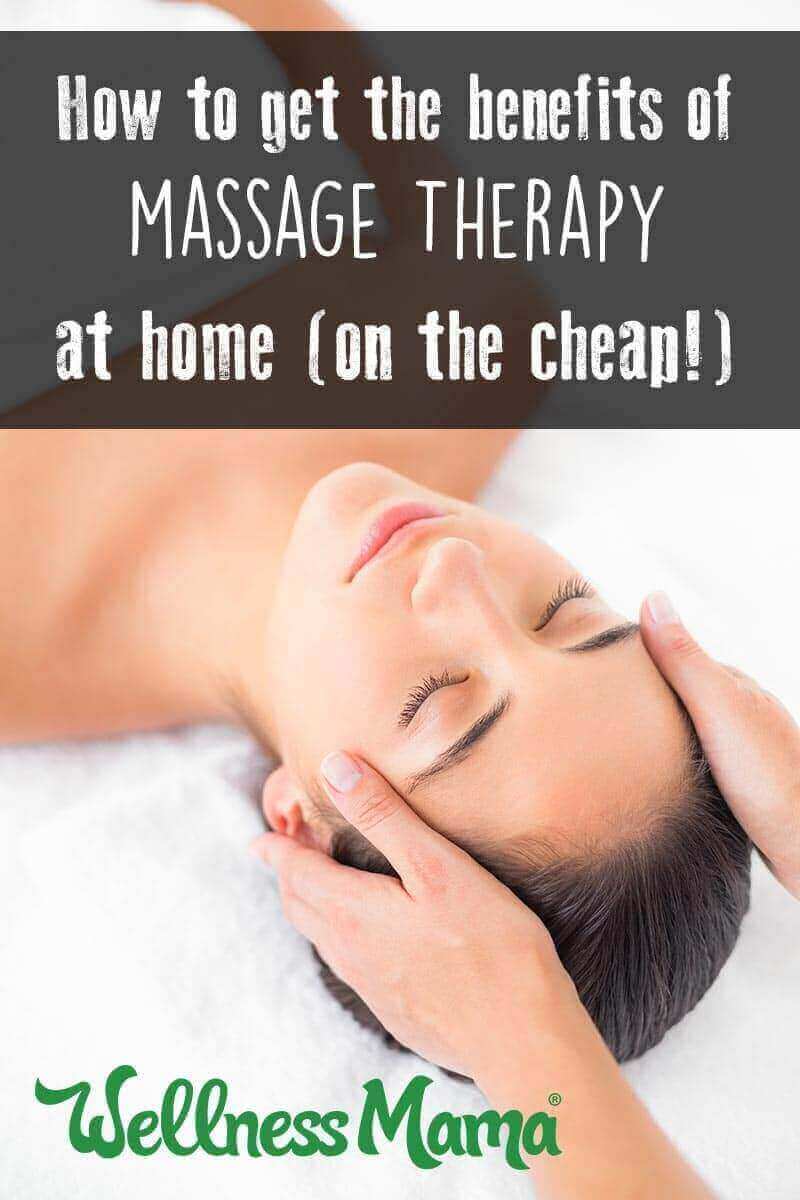
5 Ways to Get the Benefits of Massage Therapy (at Home)

how-to-get-the-benefits-of-massage-therapy-at-home-on-the-cheap

how-to-get-the-benefits-of-massage-therapy-at-home-on-the-cheap

You know those mini-quizzes on social media that ask if you could have one service for free for the rest of your life? Options usually include: a gourmet chef, live-in housecleaner or massage therapy daily?

I always pick the massage.

And then I think about the messes and how much I don’t love dishes and go back and forth between the other options. Of course, while it is a fun thing to think about, a live in maid, chef, or massage therapist is unfortunately not very realistic.

Even if money weren’t an issue, it would be impossible for most moms to sneak away for a daily massage. As mothers, we often have a lot of stress, and since massage therapy has many benefits, that’s a match made in relaxation heaven… Except for time and money.

Benefits of Massage Therapy

Massage therapy has many benefits besides the obvious one of relaxation. It is now often suggested by doctors, physical therapists and chiropractors for various reasons.

Massage can range from light pressure to deep tissue (a lot of pressure) and there are many types of massage, including:

  • Swedish– A gentle massage that uses gentle, long strokes. Mainly focused on relaxation and tension relief.
  • Deep Tissue– Uses slower strokes and more pressure to reach deeper layers of muscle and connective tissue.
  • Sports– A style that often uses a combination of different techniques to help relieve sports strain or injury.
  • Trigger Point– A focused type massage often used for relief of tension from overuse or injury.

No matter the type, massage can help:

Relax Muscles

Massage provides external physical pressure to muscles and helps remove tension. This is the most common reason people get a massage.

Improve Flexibility & Reduce Injury

The pressure and stretching of the muscles can help improve their ability to stretch. Athletes often get a regular massage to help increase flexibility and reduce the chance of injury (and to help rehab from injury).

Increase Immunity

Though less well-known, massage may also increase immune function by stimulating lymph flow in the body. This helps promote a strong immune system.

Shorten Hospital Stays

A study found that women who received regular prenatal massage had shorter hospital stays when they delivered their babies. The reason is not completely clear, but researchers suspect that it is the affects of increased relaxation and blood flow.

Improve Sleep

A number of studies have shown that massage has a positive effect on sleep. This is likely because of its affect on delta waves, the ones most connected to deep sleep.

How to Get the Benefits of Massage At Home (On the Cheap)

Regular massage from a trained therapist is the most studied way to get the benefits. If this isn’t an option due to time or money, there are some much cheaper and almost as good ways to get some of the benefits!

Whisk yourself away to a massage in the comfort of your own living room with these at-home ideas.

1. Lacrosse Ball or Racquet Ball

By far the most cost effective at-home massage option. In fact, my chiropractor recommended this to help relieve sore muscles at home and provide some back relief during pregnancy.

All you need is a couple of Lacrosse Balls (like these) and a wall or floor. Place the ball between you and the wall/floor and apply pressure by leaning into the wall. I was shocked at how deep of a massage this provided and for only about $5, it can’t be beat! With a little patience, you can get a great deep-tissue massage this way. This video shows how:

If you’re feeling really fancy, they even now make special “trigger point massage balls” that are essentially the same thing. You can also use a tennis ball, baseball, or even golf ball (these provide really deep trigger point due to the small size).

TIP: I also keep a Lacrosse ball in my car and use between my back and the seat on long drives to avoid muscle tension.

2. Acupressure Massage Cane

massage-therapy-caneMy mom first discovered this, and I’ll admit that I joked her about having “a cane” until I tried it myself. This inexpensive s-shaped cane provides an amazing trigger point massage. It allows you to reach areas of your back you normally can’t reach on your own.

I keep this by my couch so when we are watching a movie I can use it for back massage. I’m still amazed at how this thing is able to reach the tightest spots on my back and provide direct pressure.

3. Massage Pillow

massage-pillowOne of my favorite Christmas gifts of all time: a shiatsu massage pillow. I had my doubts about this thing, but now I use it at least a couple of times a week. Of all of these at-home options, this one feels closest to a real massage, in my opinion.

This Shiatsu Pillow has infrared heat to help relax and loosen muscles and 4 rotating nodes that can move either direction. This thing was an absolute life saver when I was pregnant and up many nights with prodromal labor!

It is also half the price of one massage in most places! Several friends have come over and tried this pillow and ordered one from Amazon on their phone before even leaving my house. It is that good!

4. Rumble Roller or Foam Roller

rumble rollerA Rumble Roller is another great choice for at-home deep tissue work. The Rumble Roller is essentially a basic foam roller with spikes on it so it can reach deeper muscles. These are more work than a massage pillow but can be super-effective if you are willing to use it regularly. If you’re feeling creative, you can always make your own for about $10!

5. At Home Massage Course

If you have a willing partner, the best option for a true massage is to take an at-home couples massage class together. This one is my favorite because it is a romantic but PG-rated massage course that teaches couples how to give great massages. We really enjoyed this series and I’d definitely recommend it!

Bonus: G5 Percussor Massager

My chiropractor uses one of these almost every time I go in to get adjusted, and it’s amazing! A couple of years ago my husband decided to splurge and get me one for Christmas after hearing me rave about it for months. While it’s a bit more expensive than the other options listed above, if you use it instead of going for a regular massage you’ll save several hundred dollars in the first year alone!

What do you think? Noticed any benefits from massage therapy? Tried any of these?

Continue Reading...5 Ways to Get the Benefits of Massage Therapy (at Home)


source https://wellnessmama.com/127199/massage-therapy-benefits/?utm_source=rss&utm_medium=rss&utm_campaign=massage-therapy-benefits

Saturday, 4 February 2017

7 Romantic, Fun, and Unusual Date Ideas (That Are Cheap or Free!)

7 Unusual but fun date ideas

7 Unusual but fun date ideas

Experts say that weekly date nights help couples have more intimate and lasting relationships. Whether it’s Valentine’s Day or your anniversary, why not try these fun and unusual date ideas to keep things fun as well as romantic?

I’m lucky to have a romantic and adventurous husband (he’s Italian!), and we’ve had some unusual dates over the years. Break the “dinner and a movie” routine and try one of these unusual date ideas today.

Breakfast Date

Dinner is the typical date meal, but no need to leave out the others! Breakfast is a healthier (and cheaper) meal to eat out. Head to a diner or local restaurant for an early morning date, and reserve the rest of the day for some good couple time. It can also be easier to get babysitters on a Saturday morning or let your kids play at a friend’s house.

Embark on an Adventure

This is my husband’s favorite type of date, and I admit, I’ve enjoyed getting out of my comfort zone on some of our more adventurous dates. Pick a hobby or adventure and do it together. Our most recent was scuba diving, but there are tons of possibilities. Visit an indoor rock climbing gym, go kayaking (another one of ours), race go karts, try ice skating (not my favorite!), or if you are really brave… try karaoke!

Around the World At Home

This is a recurring date theme for us. Going out can be difficult with little ones, so plan a fun date themed around ethnic foods and enjoy it at home once the kids are in bed. Make your own sushi and eat on the floor. Make healthy Mexican food and watch a movie in Spanish. Make fondue and eat by candlelight. Whatever you choose, set the mood with music and decorations to make it fun! Even if you don’t go for ethnic foods, enjoy a late night date at home and cook for each other! This is also a budget friendly way to keep the romance alive.

Go Camping

This certainly isn’t for everyone, but it usually promises to be a bonding experience. Always fun as a family, but if you can sneak away for a night, go camping as a couple. The alone time around the campfire will give you a chance to really catch up, and the potential for unforeseen circumstances (wild animals, rain, etc.) makes it an adventure.

Volunteer

This is a great way to get closer as a couple- focus on a cause you both believe in and volunteer together. This is something great to do with kids too, but can be a bonding experience as a couple. Volunteer at a soup kitchen, raise money for a cause, or pick a service project at your church. It might make you grateful for what you have and will certainly be some quality time with your love! Another advantage- spreading the love doesn’t cost a thing!

Visit a Local Attraction

We often forget about the things that others come to our town to see. Go to a play at the community theater or check out the comedy club. Find an arboretum or botanical garden and walk around. Hit the batting cages or mini golf or even just browse the bookstore together and talk over a cup of coffee. If it is in season, visit an orchard or pick-your-own farm or take a tour of a local brewery or vineyard.

Exercise Or Do An Activity Together

A healthy way to spend time together, exercise can be fun as a couple! Pick a new sport to learn: tennis, racquetball, basketball or swimming… just pick something you enjoy. For an activity, go miniature golfing, paint pottery together, take dance or painting lessons, hiking, bike riding or canoeing. These are often the best times to talk and you get the chance to develop a new hobby or skill.

Making time to spend as a couple can be much more challenging than it should be, especially with kids. Consider swapping babysitting with friends to save money. Watch a movie at home if you can’t get away or play board games or chess together. Swap  massages while you recap your week… just don’t wait for a time like Valentine’s Day to have an excuse to spend time together!

What was your best (or worst) date ever? Would you try any of the ideas above?

Continue Reading...7 Romantic, Fun, and Unusual Date Ideas (That Are Cheap or Free!)


source https://wellnessmama.com/1601/unusual-date-ideas/?utm_source=rss&utm_medium=rss&utm_campaign=unusual-date-ideas